
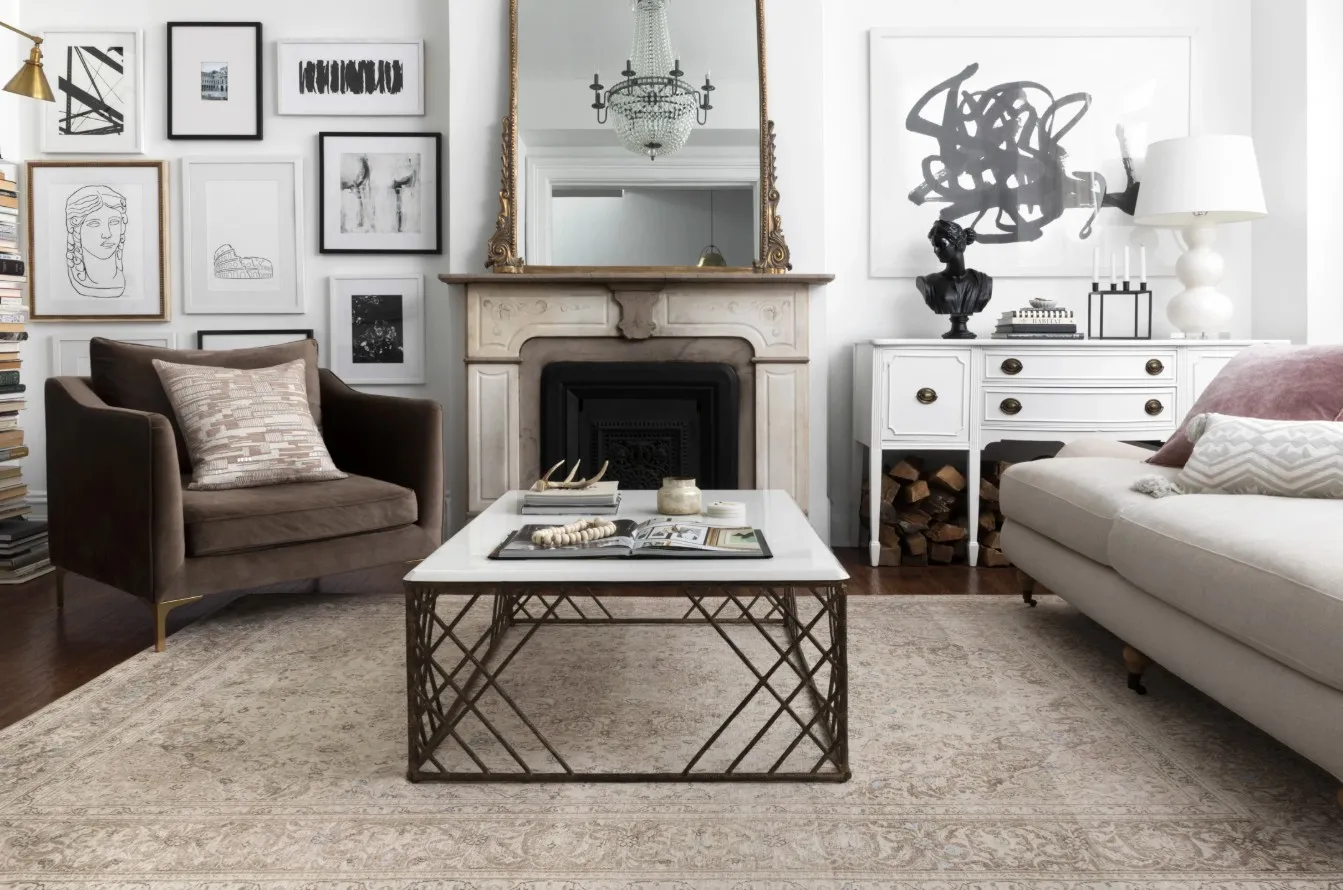
An area rug can do much more than add color or softness to a room.
The right rug can define a furniture arrangement, make a large space feel more cohesive, add warmth and texture, and help connect the different elements of a room. The wrong size or material, however, can make furniture feel disconnected or make an otherwise beautiful space feel visually unbalanced.
That is why choosing an area rug should be about more than finding a pattern you love.
From rug size and placement to pile height, material, and furniture arrangement, several factors can determine whether a rug truly works in your space. And in a warm climate like Southern Utah, practicality matters just as much as appearance.
At Designer Furniture Gallery, area rugs are part of a larger approach to creating a finished, comfortable home. With furniture, accessories, flooring, lighting, and design services all available, you can consider how each element works together rather than choosing pieces in isolation.
Here’s what to consider before bringing an area rug into your home.
Start With the Size of Your Room — and Your Furniture
One of the most common area rug mistakes is choosing a rug based solely on the size of the open floor space.
Instead, think about the furniture grouping you want the rug to anchor.
An area rug should help visually connect the pieces in a room rather than simply sit underneath a coffee table or in the center of an empty floor.
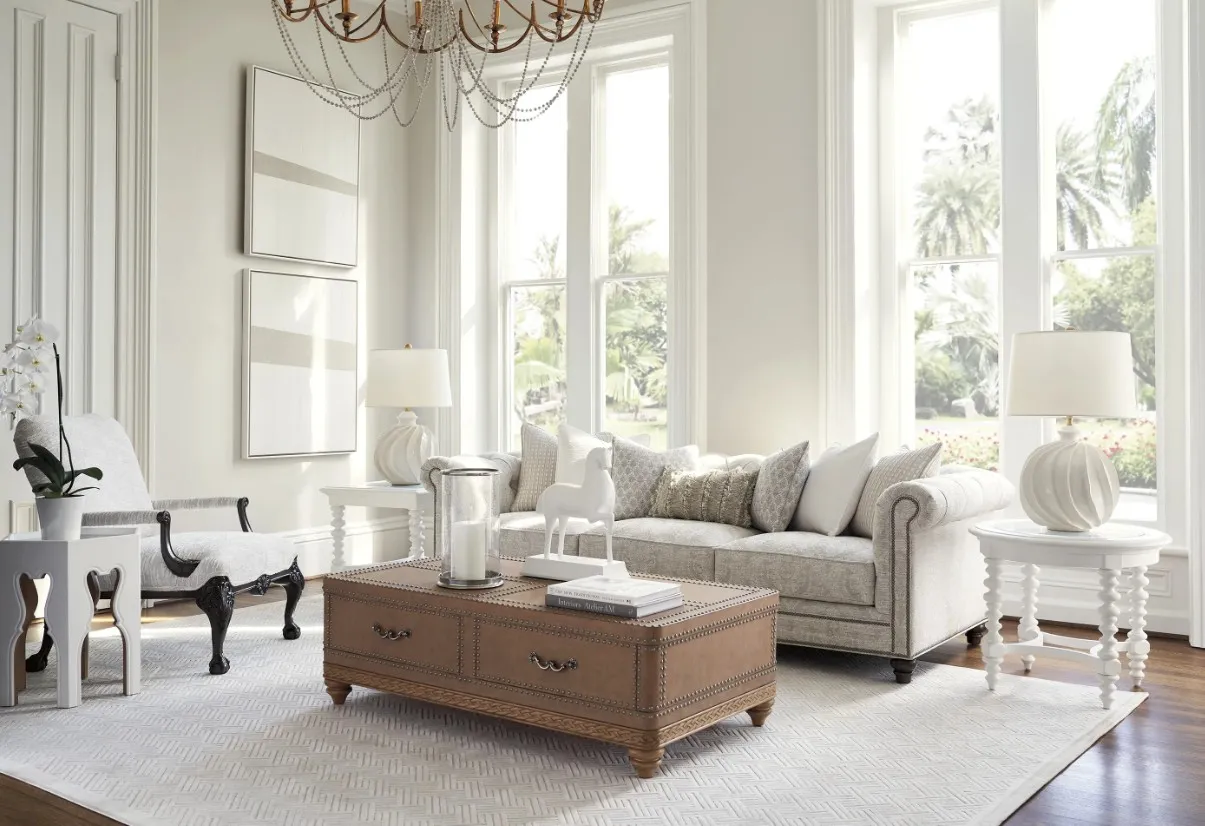
For a living room, consider these general guidelines:
-Large rooms: A larger rug can accommodate the entire furniture grouping, with the sofa, chairs, and tables sitting completely or mostly on the rug.
-Medium-sized rooms: Place the front legs of sofas and chairs on the rug to create a cohesive seating area.
-Smaller rooms: A smaller rug can still define the seating arrangement, but make sure it is large enough to connect the major furniture pieces.
The goal is to make the rug feel intentional rather than like an island floating in the middle of the room.
If you're furnishing a new space, it can help to determine your furniture layout first and then select the rug. That way, you can choose a size that works with the proportions of the room instead of trying to make your furniture fit around a rug that is too small.
How Big Should a Living Room Rug Be?
There is no single area rug size that works for every living room, but there are a few principles that can make the decision easier.
For larger living rooms, an oversized rug can help bring separate furniture pieces together. If you have a sofa facing two chairs, for example, the rug should generally extend far enough to visually connect all three pieces.
For a more compact arrangement, placing the front legs of your sofa and accent chairs on the rug can create the same sense of connection without requiring a room-sized rug.
Before purchasing, measure the furniture grouping and mark the approximate rug dimensions on your floor with painter's tape. This simple step can help you visualize how much floor the rug will cover before making a decision.
Dining Room Rugs Require a Little More Planning
Dining rooms have a different set of considerations because chairs need to move in and out from the table.
A dining room area rug should extend beyond the edges of the table far enough that dining chairs remain on the rug even when they are pulled away from the table.
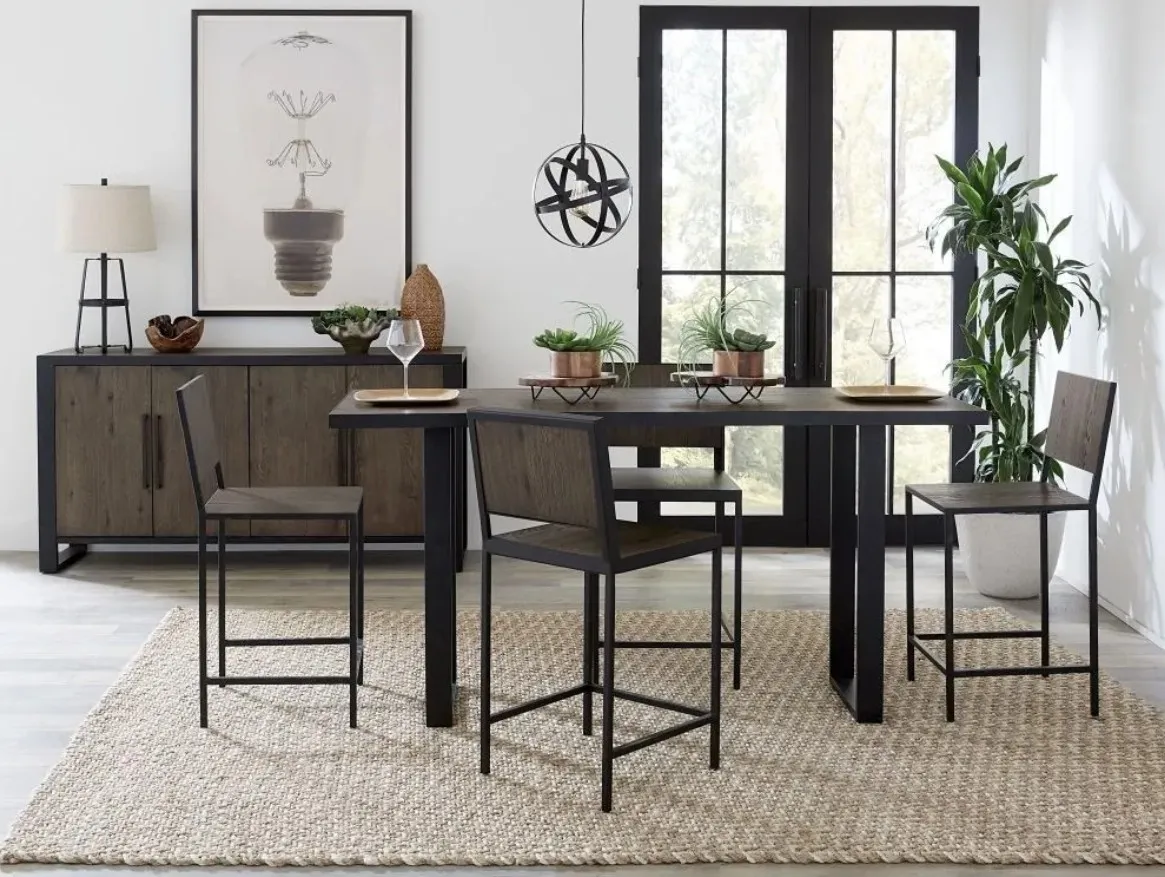
If the rug is too small, chair legs can catch on the edge of the rug or move between the rug and the floor every time someone sits down.
For that reason, measure your dining table and account for the space needed to comfortably pull out each chair.
The shape of your table can also help determine the shape of your rug. A rectangular rug typically works naturally with a rectangular table, while a round rug can complement a round dining table beautifully.
The most important thing is proportion. The rug should feel large enough to support the entire dining area without overwhelming the room.
Consider Rug Pile Height
Pile height refers to the thickness or height of the rug fibers. It affects both the look and the functionality of the rug.
Low-Pile Rugs
Low-pile rugs have shorter fibers and tend to create a cleaner, more streamlined appearance.
They can be particularly practical in high-traffic areas because they are generally easier to walk across and maintain. They also work well beneath dining tables and in spaces where furniture needs to move frequently.
Medium-Pile Rugs
Medium-pile rugs offer a balance between softness and practicality. They can add comfortable texture to living rooms and bedrooms without creating an overly thick surface.
High-Pile and Plush Rugs
Higher-pile rugs can make a room feel especially cozy and luxurious. Their soft texture can work beautifully in bedrooms or relaxed living spaces where comfort is a priority.
However, think about how the rug will interact with your furniture. A very thick rug can make certain doors, chairs, or furniture pieces more difficult to move.
When choosing pile height, consider how the room is used every day — not just how the rug looks in a showroom.
Choose Materials That Work With Your Lifestyle
The material of an area rug affects its appearance, texture, durability, and maintenance requirements.
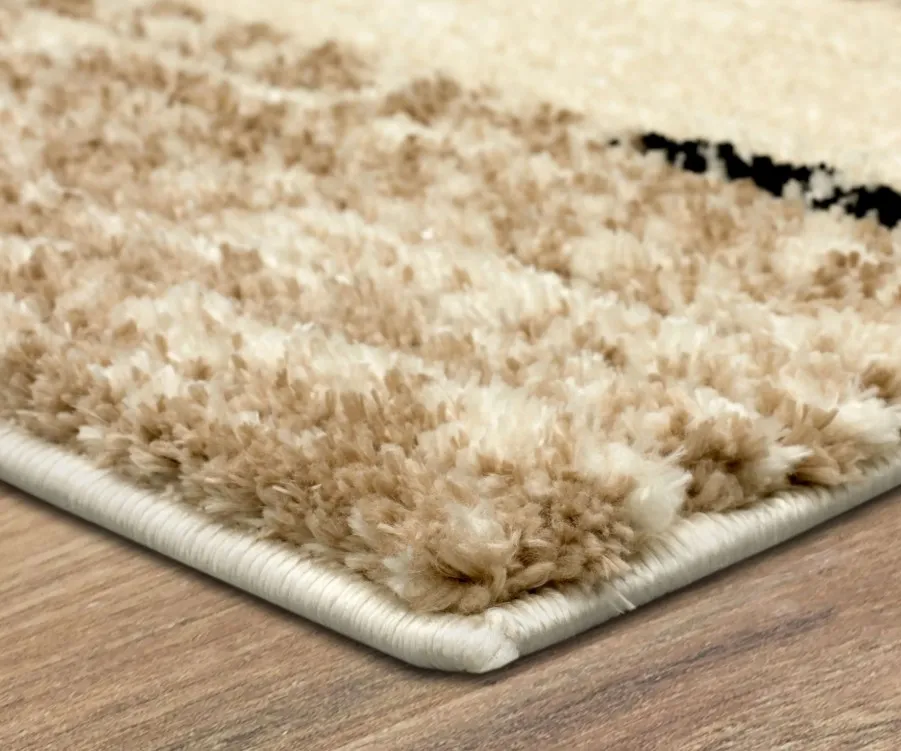
Common rug materials include:
-Wool: Naturally soft and durable, making it a popular choice for comfortable, long-lasting interiors.
-Cotton: Often lightweight and casual, with a softer, relaxed appearance.
-Synthetic fibers: Can offer durability and practical maintenance for busy households.
-Natural fibers: Materials such as jute and other woven fibers can introduce organic texture and a casual, natural feel.
The best material depends on where the rug will be placed and how the room is used.
A formal sitting room may have different needs than a busy family room, entryway, or dining space. Consider pets, children, foot traffic, maintenance preferences, and how frequently you expect to clean the rug before making your decision.
Think About Southern Utah’s Warm Climate
Homes in St. George and throughout Southern Utah have their own considerations when it comes to interior design.
With warm temperatures for much of the year, heavy, overly plush textures may not always be the most practical choice for every room.
Lighter-looking rugs, breathable natural materials, lower piles, and organic woven textures can complement the climate while still adding warmth and visual interest to your interiors.
This doesn't mean you need to avoid plush rugs altogether. Instead, think about where they make the most sense.
A soft, comfortable rug can be wonderful in a bedroom or cozy seating area, while a lower-pile or woven option may be more practical in a high-traffic space.
The best rug is one that complements both your design style and the way you actually live in your home.
Use Your Rug to Define a Furniture Grouping
Open-concept homes can sometimes make furniture placement challenging.
Without walls separating the living room, dining area, and other spaces, furniture can begin to feel like it is simply floating throughout one large room.
Area rugs can help solve that problem.
A rug creates a visual boundary that tells the eye, “This is the living room,” or “This is the dining area,” without requiring a physical wall.
For example, a large living room rug can anchor a sofa, chairs, and coffee table into one cohesive conversation area. A separate rug beneath the dining table can establish the dining zone.
This is especially useful in open floor plans because rugs provide structure while maintaining the sense of openness.
Coordinate — But Don't Match Everything
Your area rug doesn't need to match your furniture exactly.
In fact, a room can often feel more sophisticated when the rug complements the furniture rather than matching it piece for piece.
Instead, look for connections between colors, textures, and materials.
A rug might pick up the warm wood tones of a coffee table, complement the upholstery on an accent chair, or introduce a subtle color that appears again in pillows and artwork.
Think of the rug as one layer within the room rather than the starting and ending point of the design.
If your furniture is neutral, a patterned rug can introduce personality. If your furniture already makes a strong statement, a more understated rug can provide balance.
Don't Forget About Texture
Color gets a lot of attention when shopping for rugs, but texture can have just as much impact.
A room filled with smooth upholstery, polished tables, and hard surfaces can benefit from the visual softness of a textured rug. Conversely, a room that already includes several heavily textured elements may look better with a simpler rug.
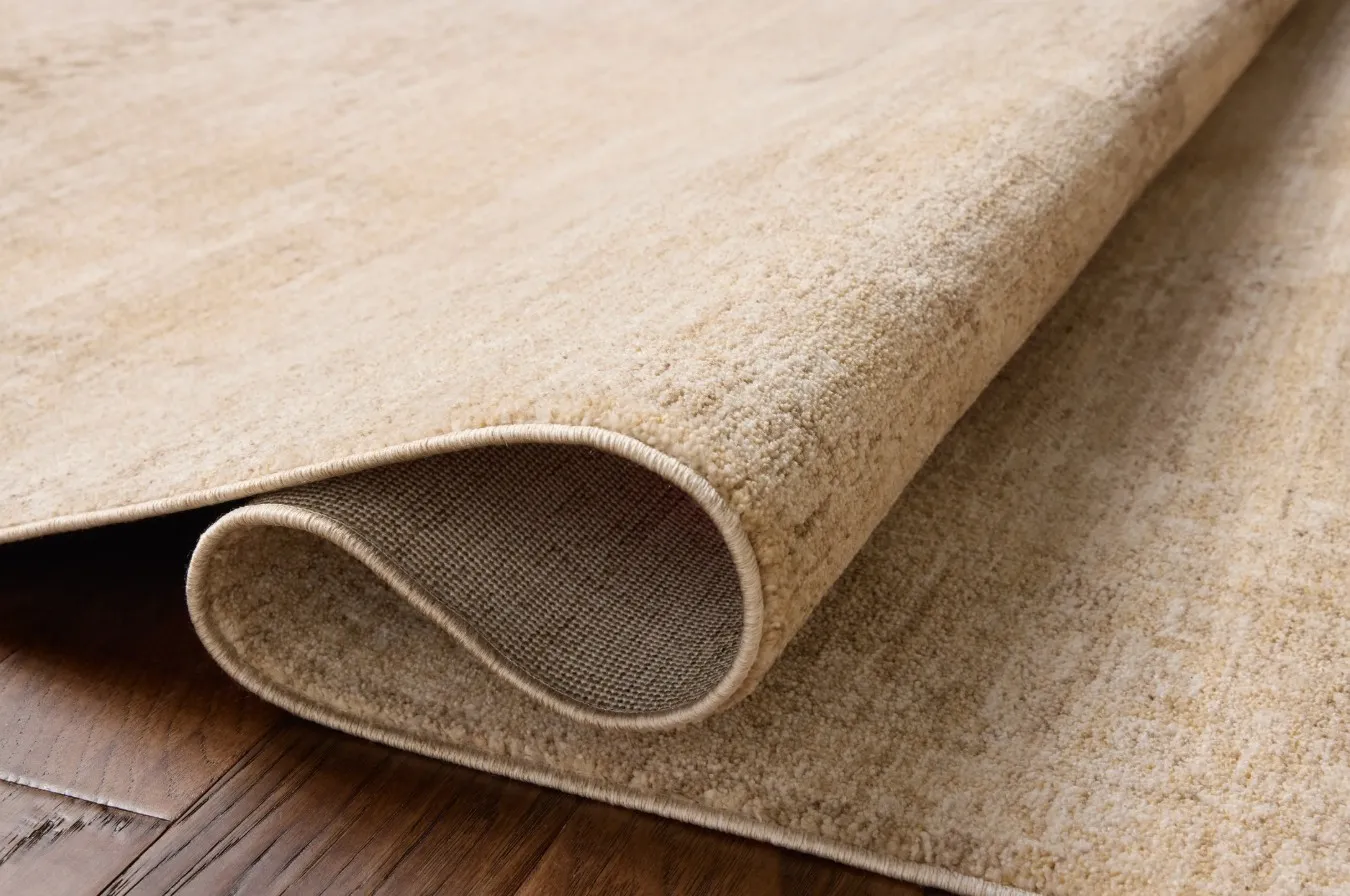
Layering different textures helps prevent a room from feeling flat.
Consider how the rug will interact with:
-Upholstered sofas and chairs
-Wood furniture
-Leather
-Metal finishes
-Window treatments
-Decorative accessories
-Flooring
The result should feel collected and intentional rather than overly coordinated.
Think About the Floor Beneath the Rug
An area rug doesn't completely replace your flooring — it works with it.
That means the floor underneath should also be part of your decision.
A rug can add softness and warmth to hardwood or other hard flooring, define a seating area over a large open floor, or introduce contrast against the existing flooring material.
The combination of flooring and area rug can have a major effect on the overall look of a room.
Designer Furniture Gallery also offers flooring options as part of its broader home design services, making it possible to consider the relationship between flooring, furniture, rugs, and other design elements as you plan your space.
Shop for the Room — Not Just the Rug
The most successful area rug choices are made with the entire room in mind.
Before purchasing, ask yourself:
-What furniture will sit on the rug?
-How much space do I need around the furniture?
-Will chairs need to move frequently?
-How much foot traffic does the room receive?
-Do I want softness, durability, or both?
-Does the pile height work with my furniture?
-Will the material be practical for my household?
-Does the color complement the rest of the room?
-Does the rug work with the existing flooring?
Answering these questions first can make the shopping process much easier.
Instead of starting with “Which rug do I like?”, you can start with “What does this room need?”
Find the Right Area Rug for Your Space
An area rug may seem like a finishing touch, but it can play a surprisingly important role in how a room looks and functions.
The right size can anchor your furniture. The right material can make maintenance easier. The right texture can add depth. And the right placement can make an open space feel more organized and intentional.
At Designer Furniture Gallery, you can explore area rugs alongside furniture and home accessories to create a more cohesive look throughout your home.
Whether you're refreshing a living room, defining an open-concept space, or finishing a dining room, start with the way you want the room to function — then choose an area rug that helps bring the entire space together.
After all, a great rug isn't simply covering the floor. It's helping define the room.